About the approach
What is Transactional Analysis?
Developed by psychiatrist Eric Berne in the 1950s, TA is built on a simple but powerful idea: that we are all born with the capacity for growth, and that with the right support, change is possible at any stage of life. It is used worldwide in therapy, counselling, education, and organisational settings.
How does it work?
TA gives us a shared language to make sense of our inner world and our relationships. Rather than applying a fixed technique to every person, TA therapy is collaborative — you and your therapist work together to explore your patterns, your history, and what you want to be different.
Some of the ideas TA draws on include:
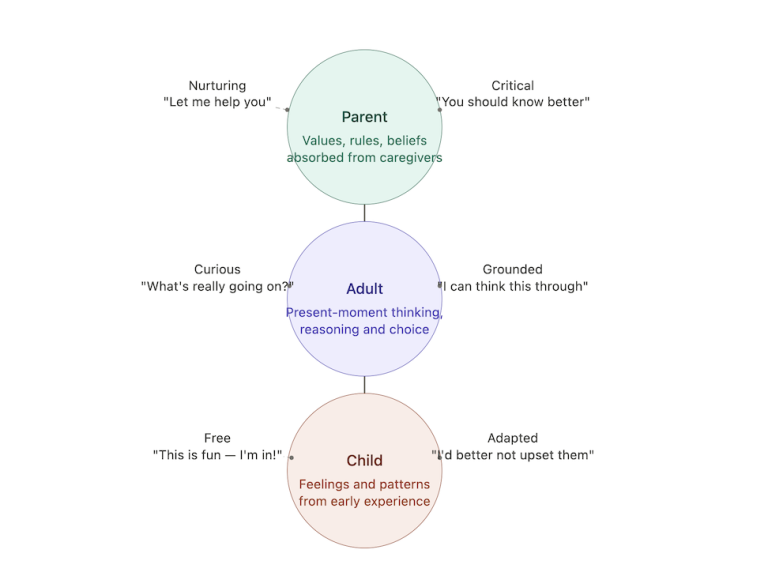
How our past experiences shape the way we think, feel and respond in the present — sometimes in ways we don't fully understand.
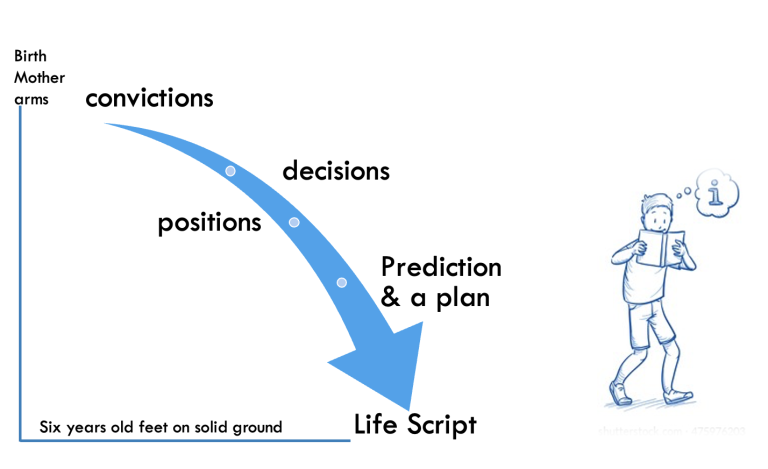
The unconscious story we developed in childhood about who we are and what we deserve — and how to rewrite it.
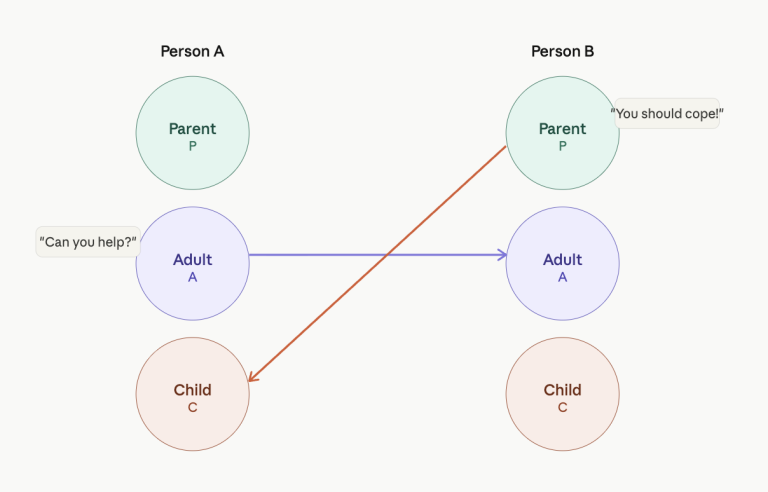
How we connect with others, what we bring to relationships, and where old dynamics might be holding us back.
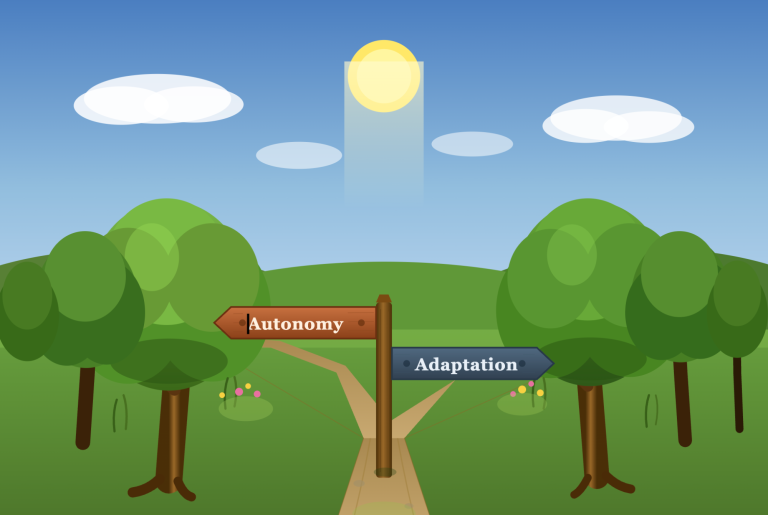
TA works towards greater freedom — the ability to respond to life consciously rather than from habit or survival.
What makes it relational?
At Inner Growth Pathways, I work within a relational TA framework. This means the relationship between us — what happens in the room — is itself part of the therapeutic process. I bring my full presence to our work, not just a set of techniques. You will not be analysed from a distance; we work together, in real contact.
This approach is particularly well-suited to people who have experienced relational difficulties, early attachment wounds, or who feel stuck in patterns they can see but cannot shift alone.